
Mouse Trap
Thomas More - Digital Innovation · 2022
Building a Smart Mousetrap with IoT Technology
In today's world, traditional mousetraps are no longer the only option for dealing with rodents. With the rise of the Internet of Things (IoT) and smart technologies, we can now build mousetraps that are not only effective, but also offer advanced features such as automatic detection and real-time monitoring.
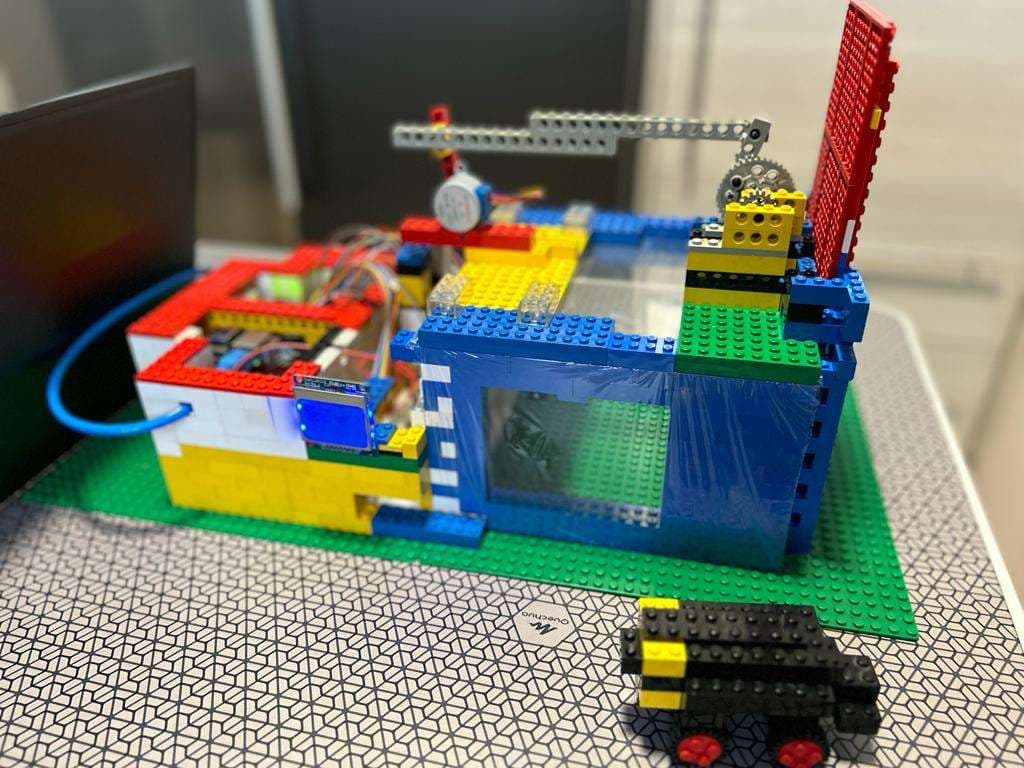
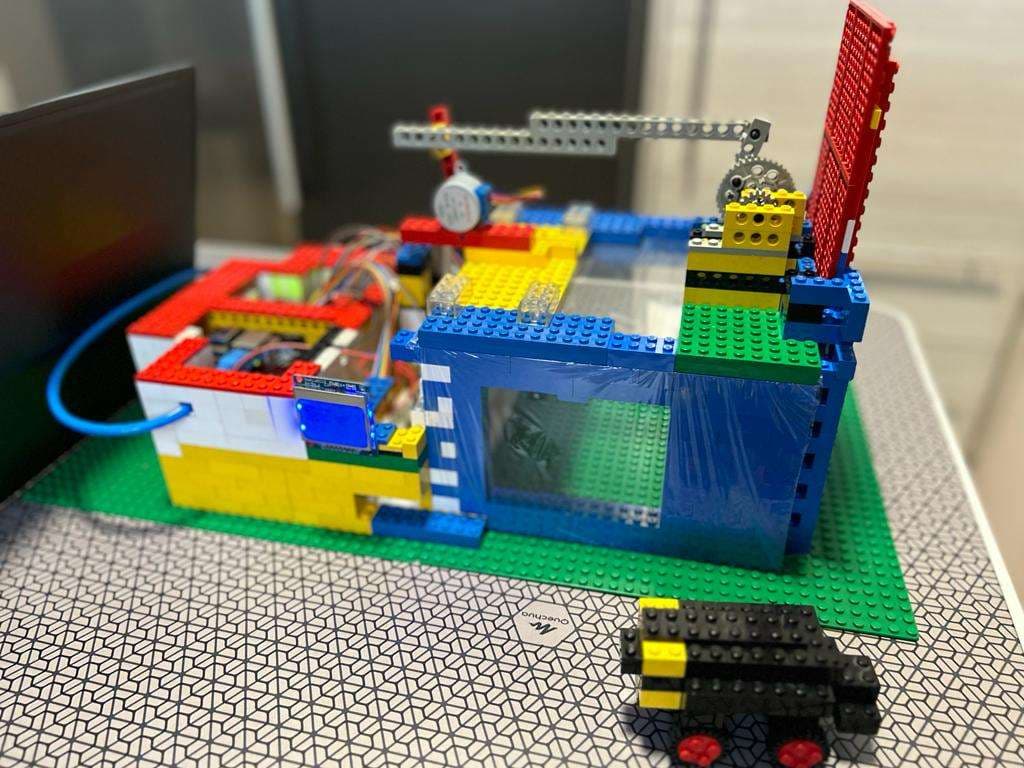
During part of my studies I carried out a striking project: building a smart mousetrap. This trap was fitted with sensors and IoT components, allowing it to detect mice and display the collected data online via the uBeac platform. This project not only offered a practical application of IoT concepts, but also gave insight into how technology can solve everyday problems.
Step 1: Design and Planning
It all starts with a well-considered design. We have to determine the specifications of the mousetrap, including its size, the material and the sensors required. We also have to plan how we are going to use uBeac, an IoT platform, to display the trap's data online.
Step 2: Building the Mousetrap
With our design in mind, we get to work building the mousetrap. We gather all the materials needed, including the trap itself, sensors, a microcontroller and other electronic components. We then integrate these components to make the mousetrap smart, so that it can trigger automatically when a mouse is detected.
Step 3: Integrating IoT Components
To make the mousetrap even smarter, we integrate IoT components. We select suitable wireless modules or IoT gateways to collect data and send it to uBeac. By integrating these components with the mousetrap's microcontroller, we can collect real-time data and display it online.
Step 4: Testing and Calibration
Before we put our smart mousetrap into use, it is important to run extensive tests. We test the trap in different environments to make sure the sensors are accurate and the automatic trigger is reliable. Where necessary, we calibrate the sensors to guarantee optimal performance.
Step 5: Displaying Data Online via uBeac
Finally, we configure uBeac to display the data from our smart mousetrap online. We create a clear dashboard showing the status of the trap as well as real-time updates about detected mice. This allows us to tackle the rodent problem effectively and respond quickly when action is needed.
Conclusion
With these steps we can build an advanced mousetrap that uses IoT technologies to help us deal with rodents. Through smart sensors and real-time monitoring, we can act proactively and keep our environment free of unwanted guests.